Lingual Braces: Invisible Braces Behind the Teeth
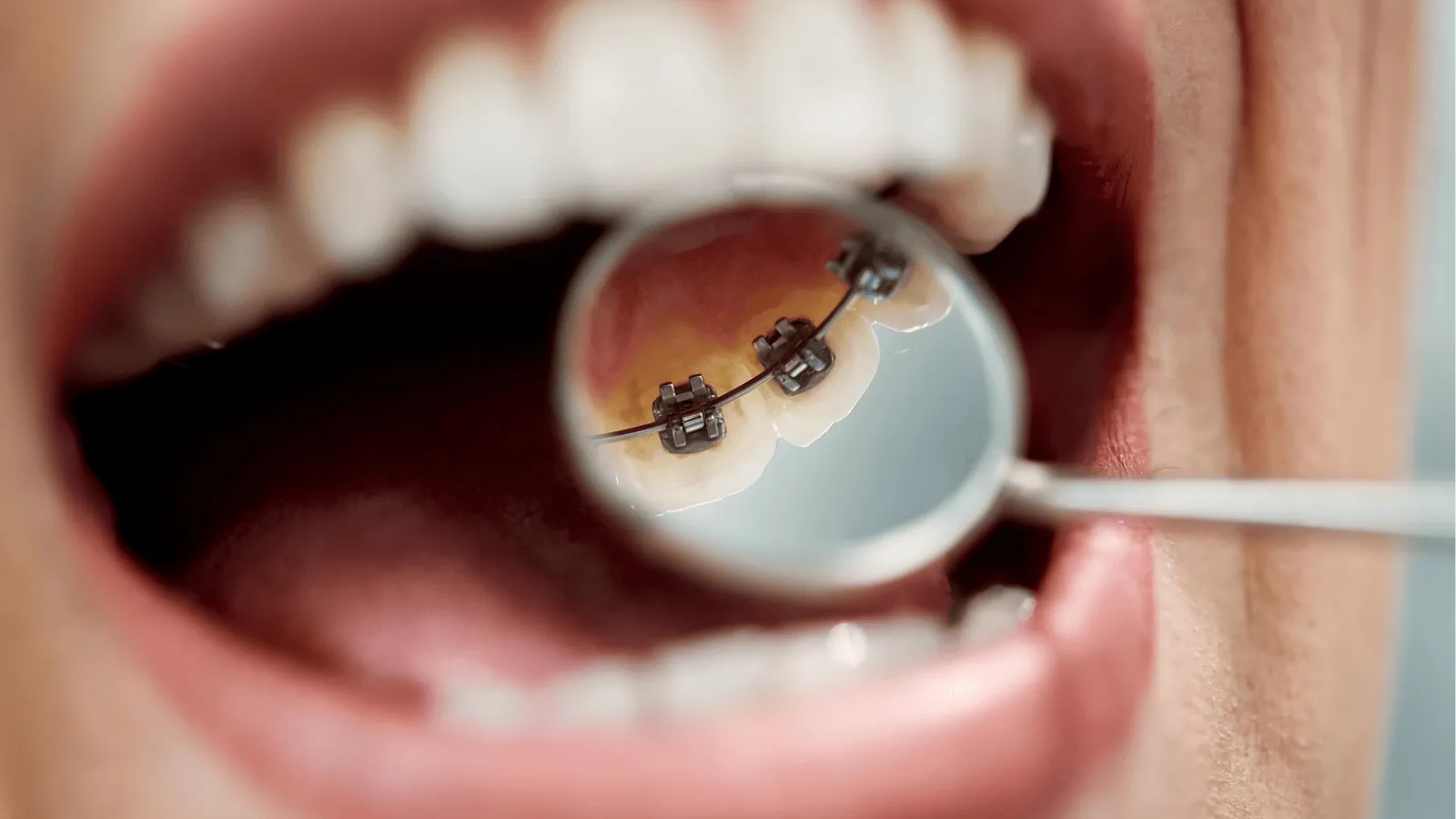
Want to straighten your teeth without making it obvious? Lingual braces might be the perfect solution for you. They are attached to the back of your teeth, keeping them unseen. It makes them virtually invisible when you smile or talk. A lot of adults and teenagers choose lingual braces because they are discreet and effective. In this blog, we will discuss what lingual braces are, how they function, their advantages, and what to look for during treatment. By the end, you will understand if lingual braces are suitable for you.
The Basics of Lingual Braces
Lingual braces are unique orthodontic devices placed on the back of your teeth, keeping them out of sight. They function similarly to traditional braces, helping to set your teeth properly. With no visible components, they provide a nearly invisible method to enhance your smile.
They consist of brackets, wires, and elastics, all according to fit the shape of your teeth. The materials are typically metal alloys selected for their strength and comfort.
Lingual braces can solve different dental issues, but it might take a while to get used to them. Consulting a professional is the best way to determine if lingual braces suit your needs.
How Do They Function?
The journey to getting lingual braces begins with a thorough dental examination and molds of your teeth. These molds are used to create custom brackets that fit snugly on the back of your teeth. While brackets are being placed on your teeth, a tiny wire is used to help them fit more properly. You can progressively improve your smile by applying gentle pressure consistently.
You often visit the clinic for minor adjustments. The majority of patients complete treatment in 18 to 36 months, similar to traditional braces.
They are placed behind the teeth, which requires a bit more accuracy during installation. Although the adjustment phase may take a little longer, many patients believe the concealed advantage is worthwhile.
Invisible Braces With Real Advantages
Choosing the braces that are placed behind the teeth provides more than just a visual advantage. They are designed for effectiveness, comfort, and self-assurance. These hidden gems provide significant benefits for both your appearance and dental health.
Stealth Mode, Basically
These hide out behind your teeth, so nobody’s catching a glimpse; not even when you laugh like a maniac or flash a big, toothy grin. Seriously, unless you go bragging about it, no one will ever know. Kinda why actors and folks in the limelight are all over these. If you are the type who hates the whole “metal mouth” look, yeah, you will dig this. Makes you wanna smile more, not less.
Tough Cases? Bring Them
Clear aligners tap out when teeth get stubborn; think deep bites, teeth that just refuse to rotate, or gaps you could drive a truck through. These braces, though? They don’t scare easily. Orthodontists can dial in the pressure exactly where it needs to go. Basically, if your teeth need a serious attitude adjustment, this is the way to do it. Not just for tiny tweaks, these can handle the real chaos.
Great for All Ages
Many adults prefer them for their subtle look. Teens who are self-conscious about visible braces also benefit. They match well with busy, image-conscious lifestyles; no need to compromise between appearance and treatment.
Made Just for You
Alright, so here’s the deal: these brackets aren’t some one-size-fits-all nonsense. They are made to actually fit your teeth. Like, for real. That means they sit snug, don’t poke where they shouldn’t, and bonus, you will probably get used to them way quicker. People usually complain less about sore cheeks and lips, which, let’s be honest, is a win. Tighter fit, less pain, and your teeth get sorted out faster. What’s not to love?
Protects Your Front Teeth
Here’s a pretty sweet perk: these things help stop those weird white spots from popping up on your front teeth. Since the brackets don’t sit right smack on the front, your smile stays looking fresh even after the braces come off. Plus, brushing is way less of a hassle without all that metal stuck front and center. Makes keeping your teeth clean way easier, trust me.
A Few Bumps in the Road
Alright, hang on a sec before you sprint to the orthodontist. Lingual braces come with their fair share of weirdness. Don’t get me wrong, they’re cool and all, but it’s not just smooth sailing. You are gonna hit a couple of speed bumps. Honestly, it’s way better to know what you are signing up for ahead of time instead of getting blindsided later. Makes the whole decision way less of a crapshoot.
| Common Issues | Quick Facts |
| Initial Discomfort | They may lead to tongue irritation and minor speech difficulties at first. |
| Cleaning Difficulty | Braces are less visible and harder to access, making it more challenging to maintain oral hygiene. |
| Higher Cost | They are generally pricier than traditional braces because of the need for customization. |
| Take Time | Appointments might require more time due to their positioning behind the teeth. |
| Not Suitable for All Types | Not every individual qualifies for this option, particularly those with significant bite problems. |
Eligibility Criteria
Lingual braces serve to individuals seeking effective results without noticeable hardware. For those who appreciate functionality, aesthetics, and delicate dental needs, they are quite beneficial.
- Teenagers and adults looking for orthodontic treatment to keep their jaws closed.
- Individuals with dental alignment problems that range from moderately to severely challenging.
- Those who can’t use clear aligners because they have specific needs for tooth movement.
- Individuals without severe deep bites, as lingual braces, might face bracket detachment issues in these situations.
- People dedicated to maintaining good oral hygiene and attending regular dental check-ups.
Your orthodontist will evaluate your dental health, goals, and lifestyle to determine if this treatment is the right fit for you. A personalized consultation is the best way to analyze all your options and choose what works best for your smile.
Care Tips That Help
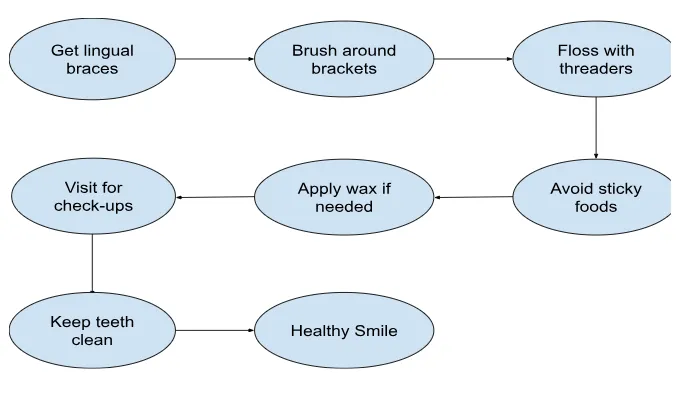
Proper care is necessary for the success of lingual braces. Because these braces are placed behind the teeth, they can be a bit trickier to clean, but with the right steps, maintaining your smile is manageable.
Conclusion
Honestly, lingual braces are kinda genius if you want straight teeth but aren’t into the whole “look at my braces!” vibe. They hide out behind your teeth, so unless someone’s peering into your mouth with a flashlight, nobody’s gonna notice. Sure, they can be a bit pricier, and yeah, your tongue might feel like it’s at war with your teeth for a week or two. But most folks find the trade-off worth it. If you are anywhere near Winter Garden, FL, just hit up Artful Orthodontics. Their team is chill and knows their stuff. They will walk you through whether lingual braces are the move for you, no pressure, just real talk about your options.
FAQs
Is it possible to combine lingual braces with other orthodontic procedures?
Yes, orthodontists sometimes use lingual braces together with clear aligners or traditional braces for optimal results. This combination offers more flexibility in tackling complex alignment or bite issues. This mixed method provides greater flexibility in addressing complex alignment or bite problems.
How do lingual braces affect the oral microbiome in comparison to traditional braces?
Research indicates that lingual braces might affect oral bacteria differently because of their position, possibly leading to less enamel decalcification on the front teeth. Nonetheless, it remains vital to maintain strict oral hygiene to prevent buildup behind the teeth.
What technological improvements are enhancing lingual braces?
CAD/CAM technology and 3D printing have improved the customization and comfort of lingual braces, making treatment quicker and more accurate. These advancements also decrease chair time and enhance overall treatment precision.