
Orthodontic Technology in Winter Garden, FL
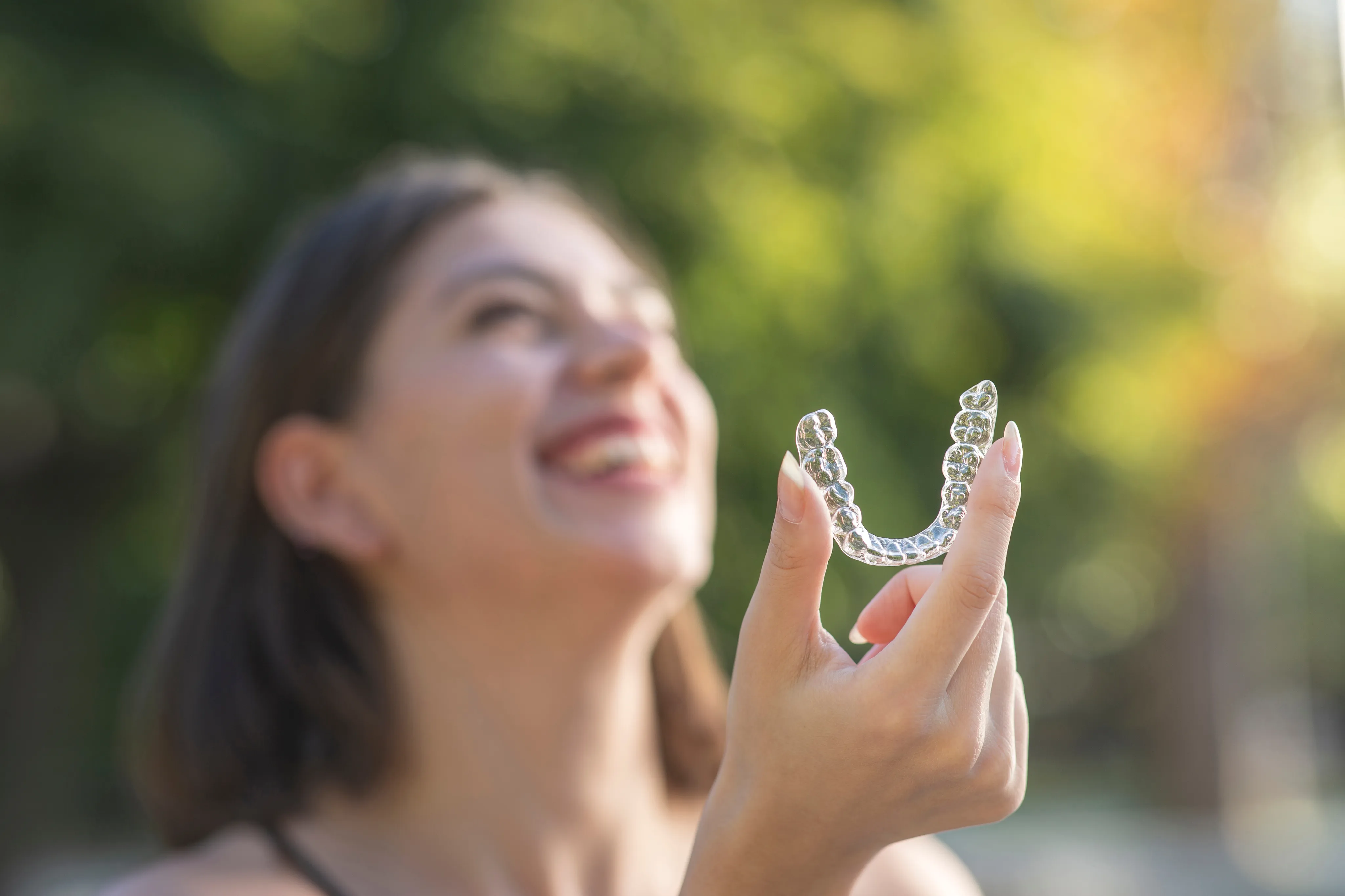
Orthodontic technology in Winter Garden, FL, brings together advanced imaging, digital planning, and modern appliances to move teeth more precisely and comfortably, reducing the need for repeat appointments.
Orthodontic Technology Explained
Orthodontic technology includes the methods and devices used to assess your bite, plan tooth movement, and guide teeth into healthier positions. It spans digital impressions, 3D imaging, computer-assisted treatment planning, customized braces components, clear aligner therapy, and retention systems that keep results stable. These tools work together to improve accuracy, reduce guesswork, and create a more comfortable experience.
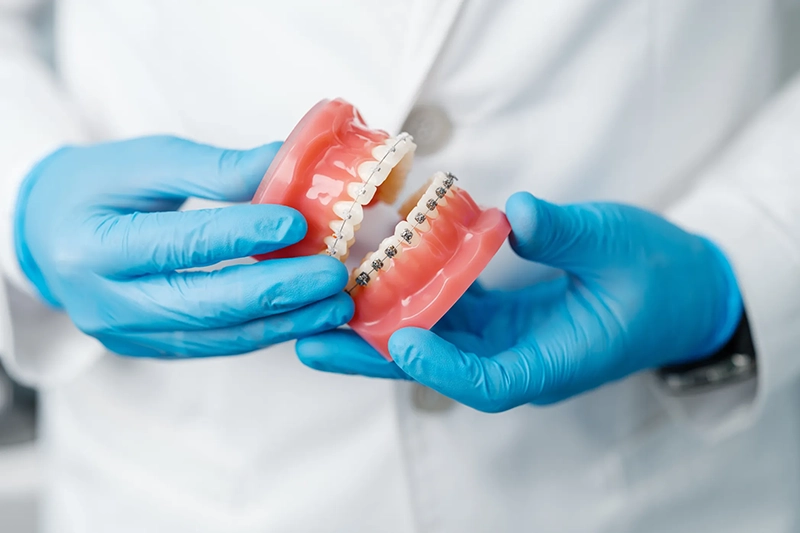
Common elements include digital intraoral scanners that replace putty impressions, panoramic and cephalometric X-rays for baseline records, and 3D cone beam computed tomography (CBCT) when detailed anatomy is needed. During active care, options may include low-profile braces, self-ligating brackets, clear aligners, flexible nickel-titanium wires, and temporary anchorage devices to assist with complex tooth movements.
Benefits of Orthodontic Technology
- Improved accuracy from 3D orthodontic imaging and digital scans
- Greater comfort with slim brackets and smooth clear aligners
- Fewer remakes because digital impressions reduce distortions
- More predictable results with computer-aided planning and simulations
- Efficient visits as digital tools streamline adjustments and tracking
- Personalized appliances that match your teeth and treatment goals
How Orthodontic Technology Works
Digital Records and Diagnosis
Your first step usually includes high-resolution photos, a panoramic X-ray, and a cephalometric X-ray to evaluate tooth roots, jaw position, and airway. A digital intraoral scan captures a precise 3D model of your teeth without trays or goop. CBCT 3D imaging may be recommended for impacted teeth, jaw discrepancies, or implant planning when more detail is needed.
Treatment Planning
Software uses your scans and X-rays to map tooth movement in small, safe increments. This planning helps compare clear aligners vs braces, estimate timelines, and identify the need for elastics or temporary anchorage devices. Clear communication at this stage helps set expectations about goals, steps, and responsibilities.
Active Treatment
With braces, tooth movement occurs through wires and brackets. Self-ligating brackets reduce friction and can allow smoother adjustments. With aligners, a series of custom trays guides teeth into place. Attachments, small tooth-colored shapes, may be placed to improve control. In select cases, temporary anchorage devices provide stable support to move specific teeth without affecting others.
Monitoring and Adjustments
Appointments typically occur every six to ten weeks. Your orthodontic team checks progress, changes wires or aligners, and updates your plan as needed. Digital photos or scans may be taken to track movement and confirm that treatment is on schedule.
Retention
Once active movement is complete, retainers keep teeth stable while bone and gums adapt to new positions. Modern retainers can be digitally designed and 3D printed or made from clear, durable materials that are easy to wear and clean.
What to Expect
At the consultation, expect a discussion of concerns, a review of digital records, and options tailored to your bite. You will receive an overview of how orthodontic technology supports your care, how long treatment may take, and what daily habits help results. Mild tenderness is common for a few days after new aligners or wire changes and can be managed with simple home care.
- Oral hygiene matters because clean teeth move more predictably
- Aligners should be worn as instructed to stay on track
- Braces require avoiding very hard or sticky foods to protect hardware
- Consistent retainer wear is key to maintaining your new smile
Frequently Asked Questions About Orthodontic Technology
Modern tools help treat crowding, spacing, overbites, underbites, crossbites, open bites, impacted teeth, and relapse after prior treatment. Planning software and digital imaging make it easier to stage movements safely and efficiently.
Digital scans capture a precise 3D model without impression trays. They are fast, comfortable, and less prone to bubbles or distortions, which improves appliance fit and reduces remakes.
CBCT delivers detailed images using a focused beam. It is used only when the added information benefits your diagnosis, following the ALARA principle to keep radiation as low as reasonably achievable.
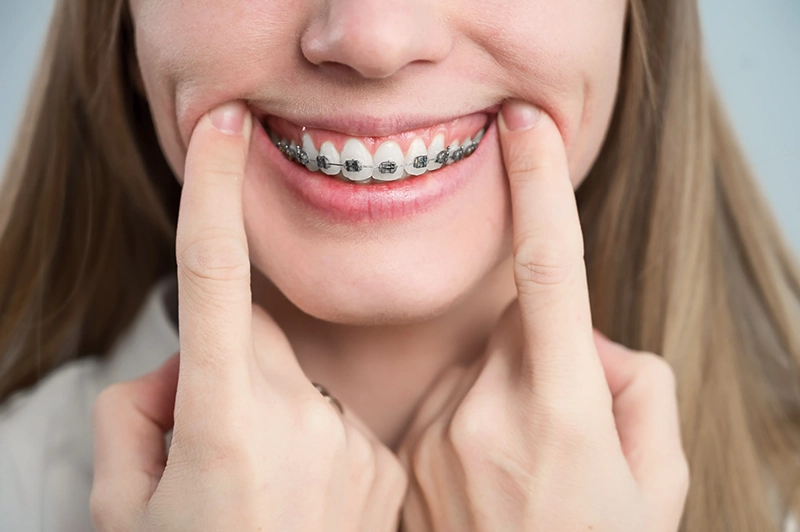
Braces are fixed to teeth and work continuously, which is helpful for many bite issues. Clear aligners are removable, discreet, and effective when worn as directed. The best choice depends on your goals, lifestyle, and the complexity of tooth movement.
3D printing helps produce appliances that match your digital model closely. This typically leads to a more precise fit and supports predictable tooth movement.
Remote monitoring can reduce visit frequency by allowing interim progress checks, but it does not replace essential in-person exams. Your care plan balances both for safety and effectiveness.
Most plans range from six months to two years. Factors include the type of bite issue, aligners vs braces, patient cooperation, and biological response. Your plan will outline an estimated timeline.
Discuss Your Orthodontic Technology Options
Have questions about your options? Contact Artful Orthodontics at 407-910-1297 to discuss your treatment plan with our orthodontist, Dr. Pawlak.