
Early Orthodontic Treatment in Winter Garden, FL
Early orthodontic treatment in Winter Garden, FL, helps guide jaw growth, create room for erupting teeth, and set up a healthier bite before problems become complex. Dr. Pawlak provides thorough assessments and customized plans for children.
Understanding Early Orthodontic Treatment
Early orthodontic treatment, or Phase 1 orthodontics, helps guide jaw and dental development while your child is still growing. Did you know sleep-disordered breathing and sleep apnea in children can affect much more than sleep? Signs may include snoring, mouth breathing, restless sleep, bedwetting, difficulty concentrating, hyperactivity and ADHD. When a child has a narrow upper jaw, orthodontic expansion can help create more space for the tongue, allowing for proper function and improved breathing.
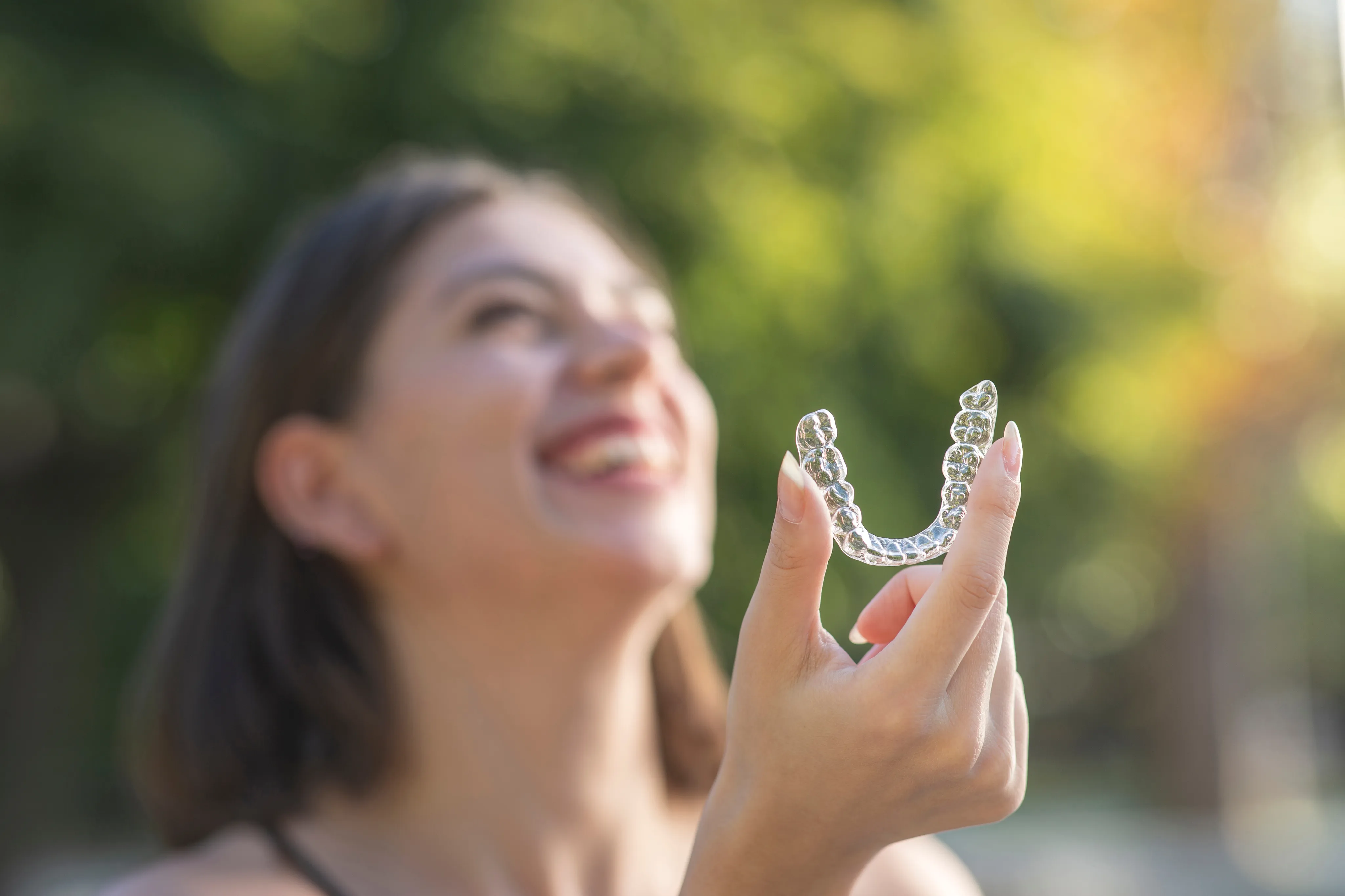
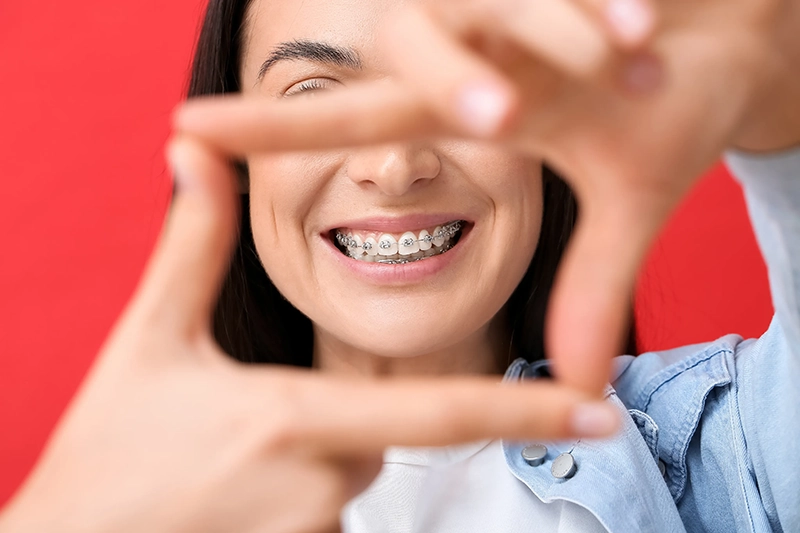
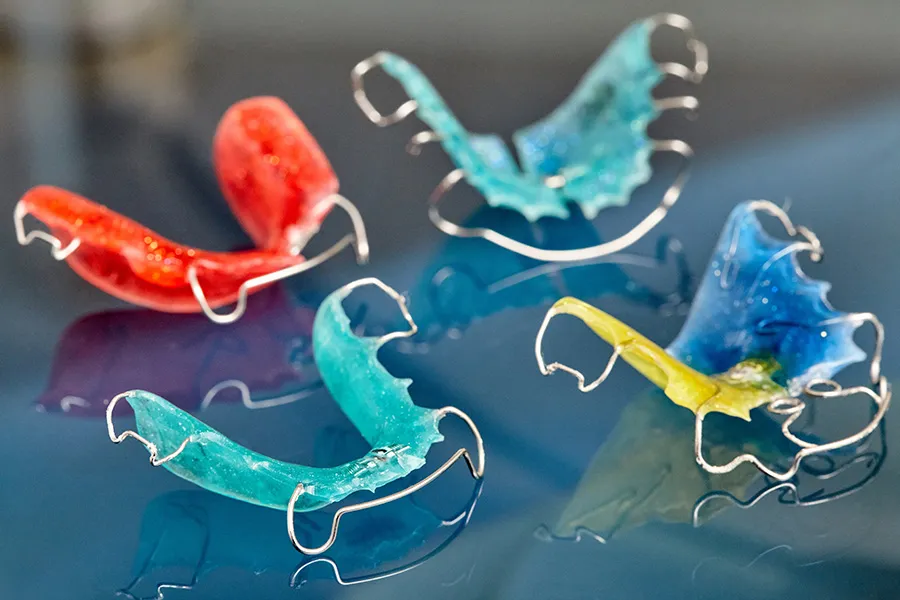
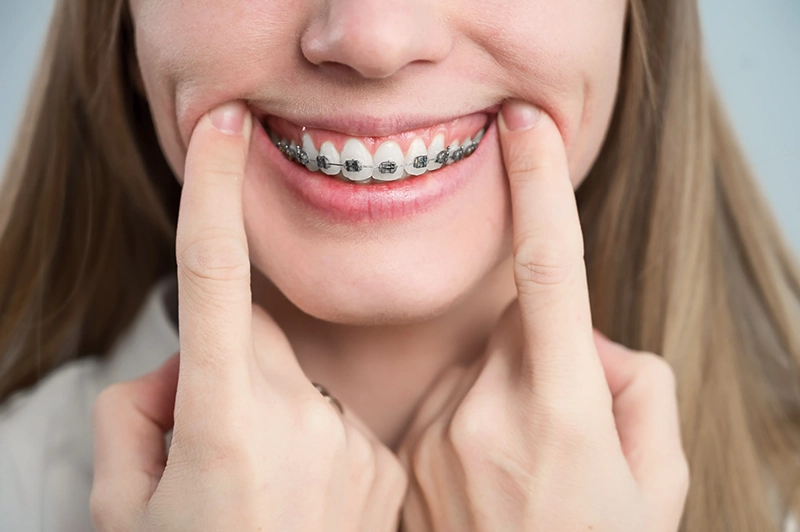
Dr. Pawlak evaluates airway, breathing, jaw development and bite to identify children who may benefit from expansion as part of a collaborative approach to better breathing, sleep, and overall health. In addition to expanders, common appliances during Phase 1 treatment include limited braces, clear aligners, space maintainers and habit appliances.
Benefits of Early Orthodontic Treatment
Starting treatment at the right time often simplifies future care. In many cases, interceptive treatment shortens Phase 2 orthodontics during the teen years.
- Guided jaw growth that supports ideal function and facial harmony
- Improved space for incoming adult teeth, often reducing crowding
- Lower risk of tooth wear and gum stress caused by misaligned bites
- Potential to reduce the length or complexity of teen braces later
- Healthier oral habits through targeted habit correction
What to Expect During Early Treatment
Initial Evaluation
An orthodontic evaluation around age 7 identifies growth or spacing issues early so care can be planned if needed.
Custom Plan
A tailored Phase 1 plan is designed based on your child's growth, bite, and specific orthodontic needs.
Active Phase 1
Targeted appliances guide jaw development and create space during the key growth window.
Monitoring
After active care, growth is monitored before deciding on any Phase 2 treatment during the teen years.
Why Families Choose Early Orthodontic Treatment Here
Families value a careful, evidence-based approach that focuses on the right treatment at the right time. From precise diagnostics to growth tracking, each step is designed to protect developing smiles and support long-term stability. Consistent communication helps children feel at ease and keeps parents informed about progress and next steps. The practice welcomes families from Winter Garden, FL, and surrounding areas, offering convenient access for busy schedules.
Myofunctional Therapy
Myofunctional therapy can complement orthodontic treatment by helping children develop healthier patterns for tongue posture, swallowing, lip closure and nasal breathing. Through simple exercises and habit retraining, therapy addresses the muscle patterns that can contribute to tongue posturing, reverse swallow patterns, open bites and other orthodontic concerns to support healthy growth, function and long-term treatment stability.
Frequently Asked Questions About Early Orthodontic Treatment
The American Association of Orthodontists recommends an initial orthodontic evaluation by age 7. However, children with mouth breathing, snoring, sleep concerns, or other signs of airway issues may benefit from being evaluated earlier, when growth and development can be addressed proactively, usually around age 4-5.
Signs that your child may benefit from an early orthodontic evaluation include crowding, crossbites, underbites, abnormal jaw growth, mouth breathing, snoring, speech concerns or prolonged habits such as thumb sucking.
Not always. Some children benefit from a palatal expander, a space maintainer, or a habit appliance. Others may use limited early braces or kid-friendly clear aligners.
Most children feel mild pressure or tenderness when appliances are adjusted. Discomfort is usually brief and manageable with simple home care.
Timing varies with growth and goals. Some children complete active Phase 1 within several months, while others need a bit longer.
Schedule Your Child's Orthodontic Evaluation
Give your child the advantage of early guidance. Call Artful Orthodontics at 407-910-1297 to schedule an evaluation.